A Hub for
Creativity
Inspiring Future Leaders Through Design and Innovation
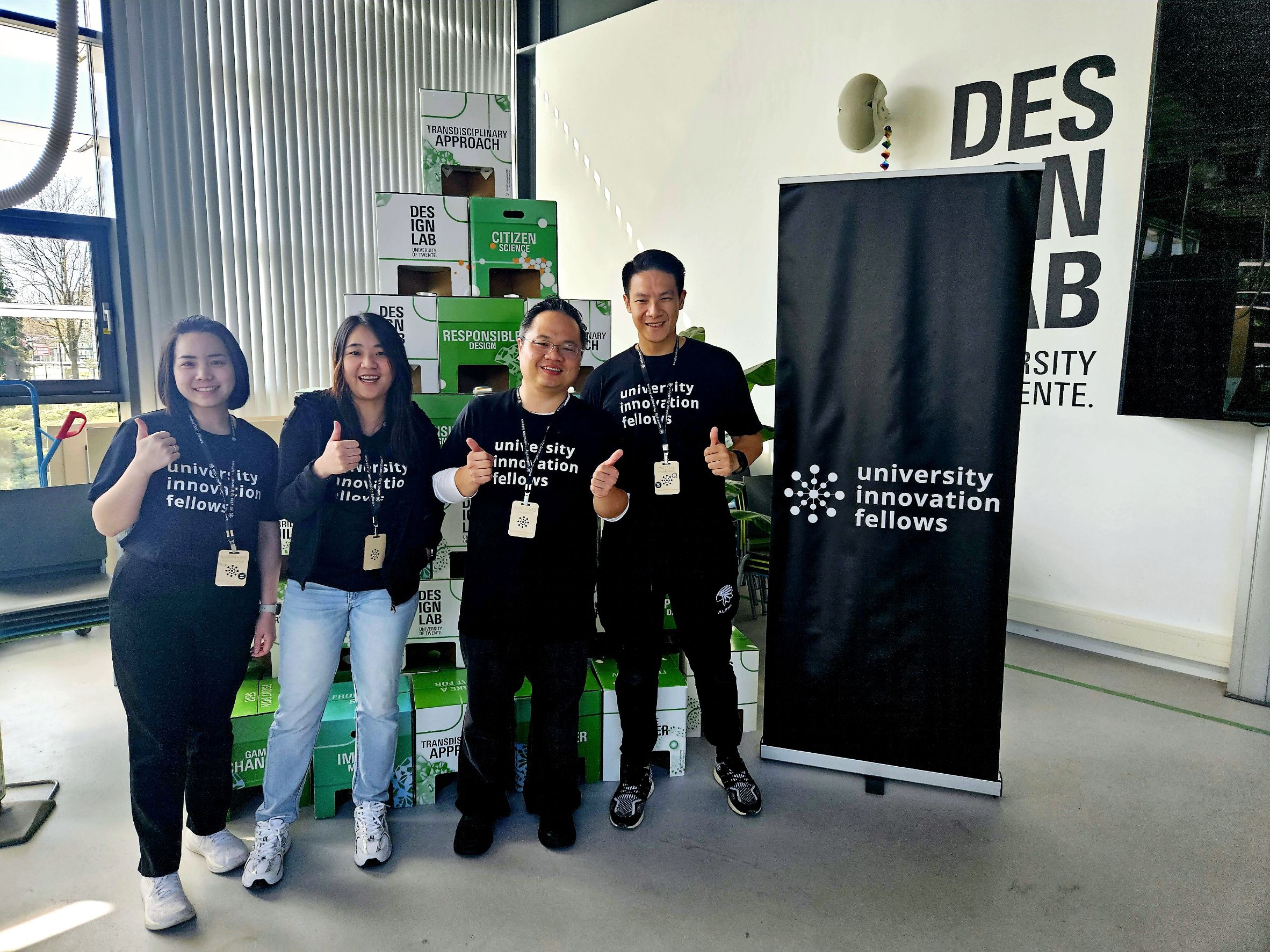
University Innovation Fellows (UIF), Design Lab,
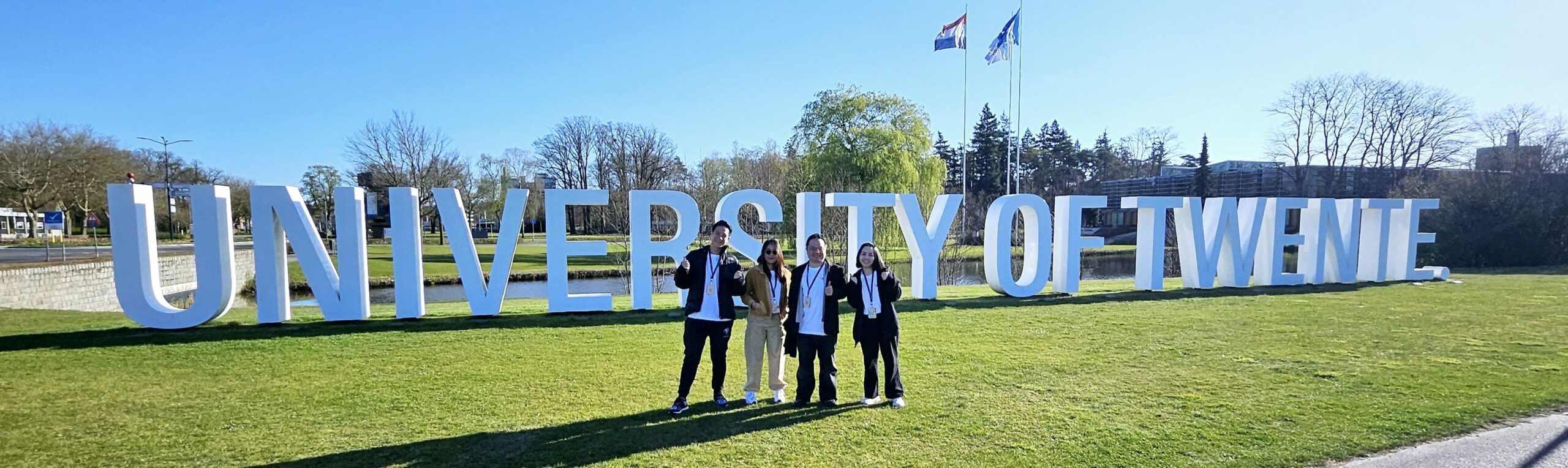
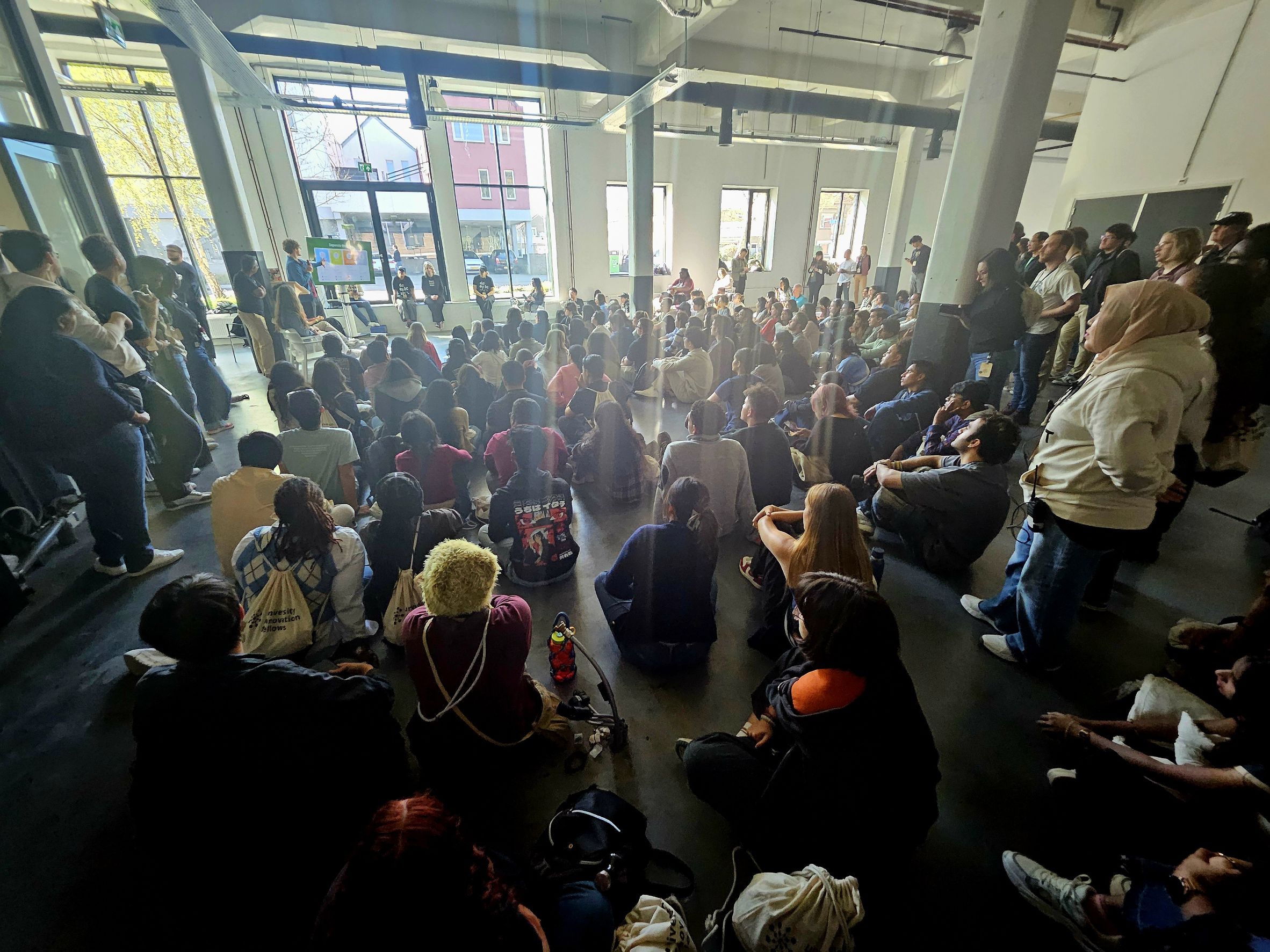
University of Twente, Apr 03-06, 2025
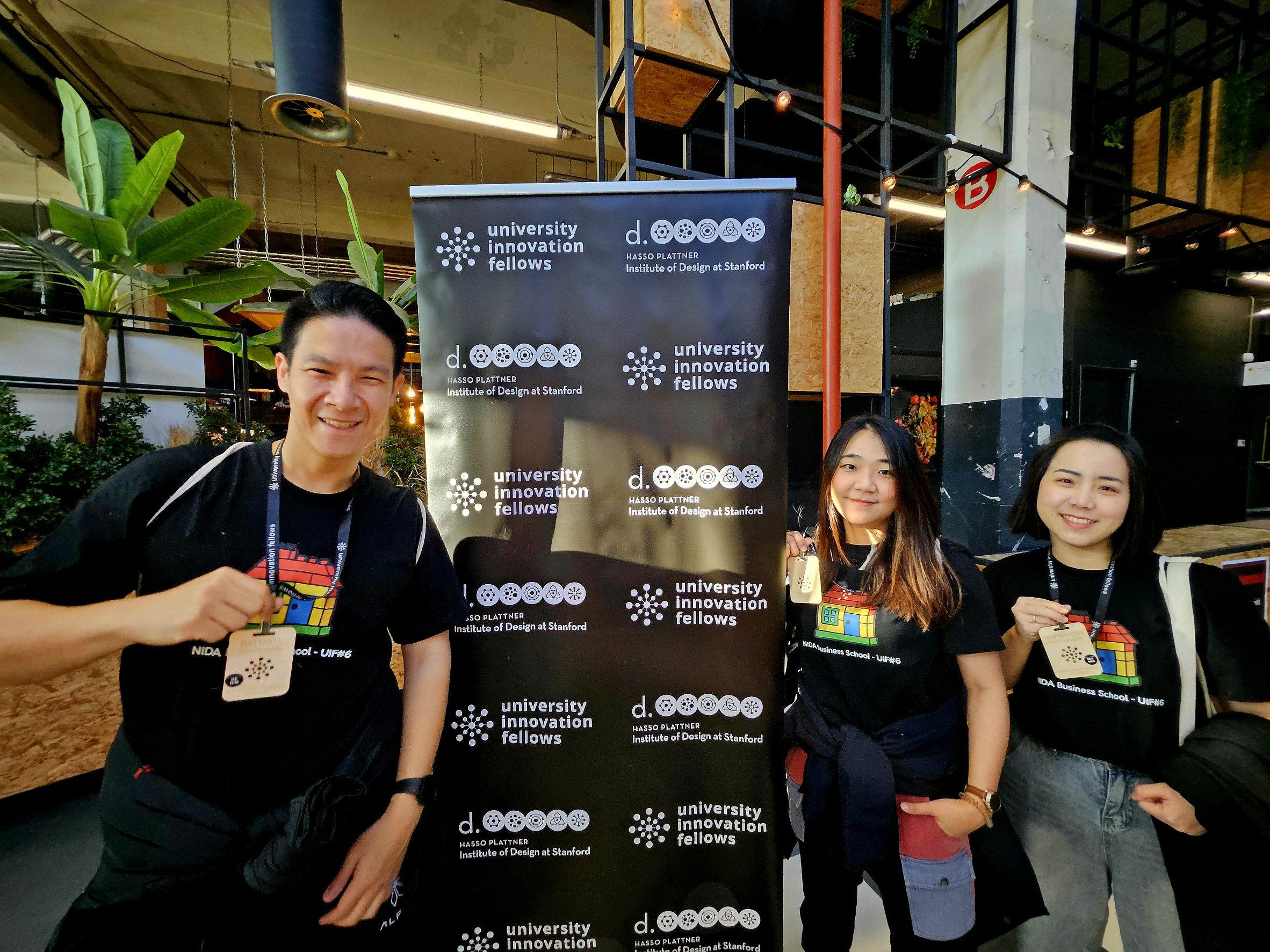
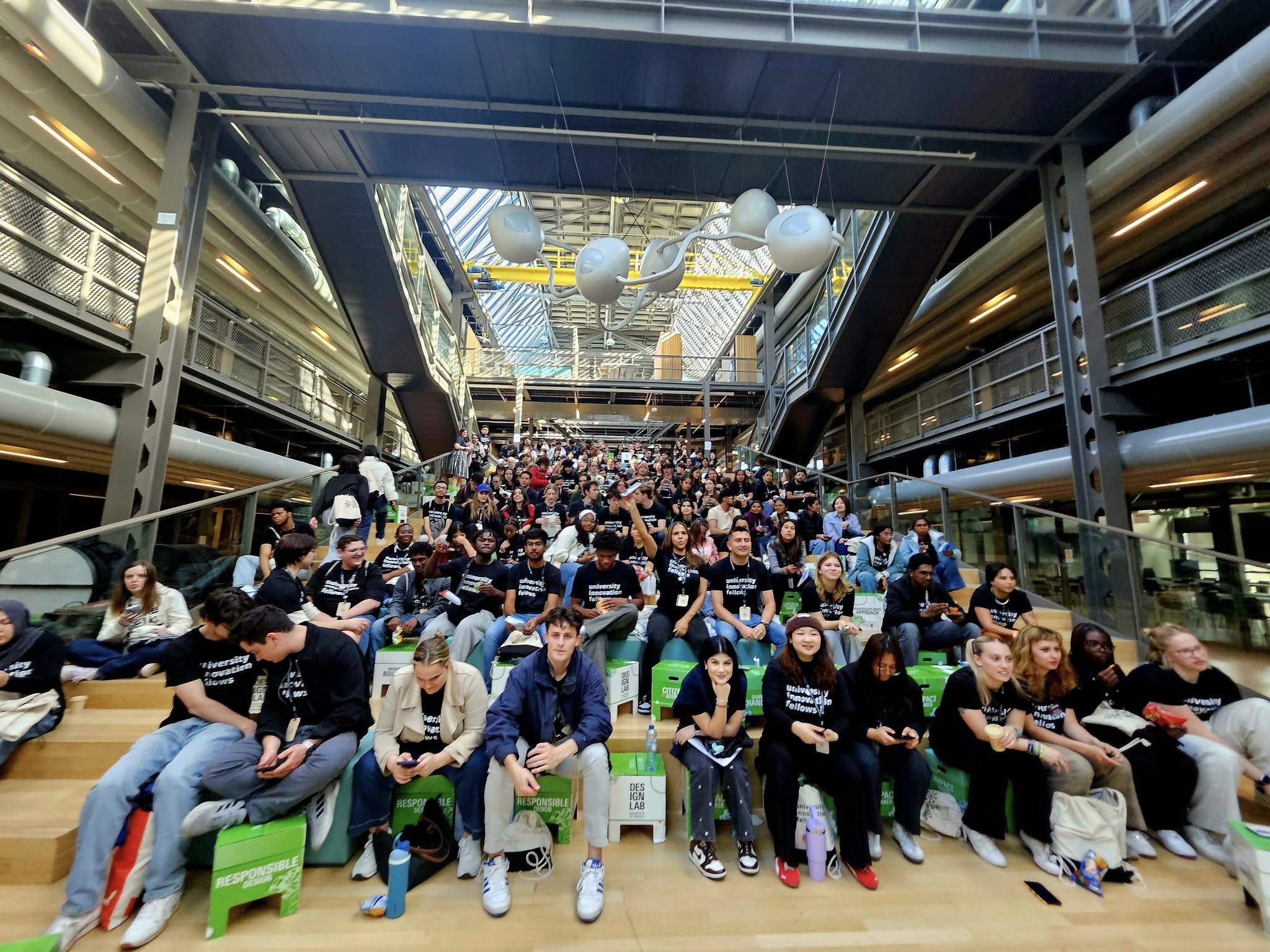
The Twente25 Annual UIF Meetup, University Innovation Fellows (UIF),
Design Lab, University of Twente, Apr 03-06, 2025
The Twente25 Annual UIF Meetup, University Innovation Fellows (UIF),
Design Lab, University of Twente, Apr 03-06, 2025
The NIDA Hub initiative has distilled seven key learning experiences,
categorized as Objectives, Assessment, Spaces, Activities, Artifacts, Culture, and Network
to create a design-oriented teaching, and learning environment.
1. Objectives
Students have established skills in logical, analytical, critical, creative, and strategic thinking with technological-data-driven-IT backgrounds.
2. Assessment
Students are able to define an initial set of both business and technical KPIs as well as business benefits that can be determined and assessed quantitatively or qualitatively.
3. Activities
Numerous design-thinking-based activities are used to get students into a creative headspace, to elevate the energy of the teams, to uncover innovation opportunities, and to find inspiration outside the domain.
4. Artifacts
Students are able to explore, expose, and experience tangible and innovative artifacts such as artificial intelligence technologies, big data, business intelligence, and analytics throughout their design journey of learning processes.
5. Culture
Students are encouraged to build the “Yes And” mindset so that they learn how to accept and encourage the ideas from colleagues, to practice brainstorming, presentation, and communication skills, and to build the team dynamic interactively and collaboratively.
6. Space
Setting up collaborative or innovative spaces for the design thinking journey for problem indentification, idea generation, building prototypes, or testing ideas can influence the psychological state, productivity, mood, and creativity for students, The following learning spaces have been established since 2019 to encourage a design and innovative thinking environment:
nutrition
Lorem ipsum dolor sit alor amet, cotns ekolor adipiscing elit Nulla molestie convallis convallis.
nutrition
Lorem ipsum dolor sit alor amet, cotns ekolor adipiscing elit Nulla molestie convallis convallis.
GYM INCLUDED
Lorem ipsum dolor sit alor amet, cotns ekolor adipiscing elit Nulla molestie convallis convallis.
GYM INCLUDED
Lorem ipsum dolor sit alor amet, cotns ekolor adipiscing elit Nulla molestie convallis convallis.
QUALITY
Lorem ipsum dolor sit alor amet, cotns ekolor adipiscing elit Nulla molestie convallis convallis.
QUALITY
Lorem ipsum dolor sit alor amet, cotns ekolor adipiscing elit Nulla molestie convallis convallis.
7. Network:
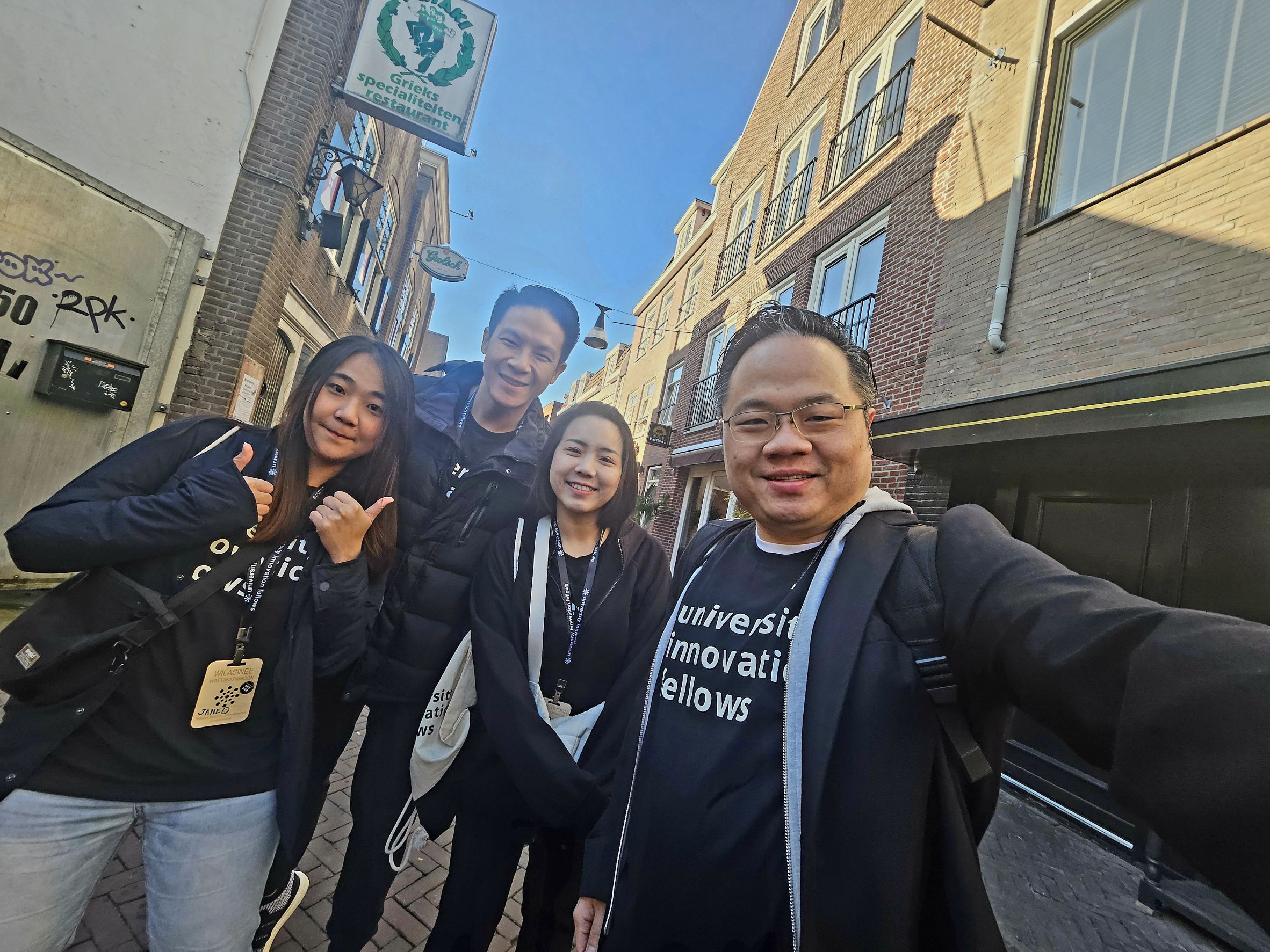
To encourage our students and faculty members to become agents of change at our school, NIDA Hub initiative made it mission to build the international network by joining the University Innovation Fellows and Faculty Innovation Fellows, the programs of Stanford University’s Hasso Plattner Institute of Design (d.school). For four consecutive years, NIDA has been chosen to participate in those programs. They work together, gather feedback, share what they learn, and develop distinct projects that not only address the campus’ needs but also make a positive impact on the community around NIDA